

Affiliate Marketing Income vs Expenses
Affiliate marketing presents a compelling business model: earn income by promoting products you trust.
But behind the success stories of passive revenue streams lies a crucial financial equation that every aspiring marketer must master: income versus expenses.
While the potential for growth is significant, profitability is not accidental.
It is the direct result of a strategic approach to managing costs and maximizing earnings.
This complete breakdown demystifies the financial realities of affiliate marketing, offering a clear roadmap to building a sustainable and profitable online business.
We will dissect the potential revenue streams, detail the necessary expenses from startup to scale, and provide actionable strategies to find the perfect balance.
Whether you are just starting or looking to optimize your performance, understanding this financial dynamic is the first step toward long-term success.
What is Affiliate Marketing?
Affiliate marketing is a performance-based digital marketing strategy where an individual, the affiliate, earns a commission for marketing another company’s products or services.
the affiliate simply searches for a product they enjoy, then promotes that product and earns a piece of the profit from each sale they make.
The sales are tracked via unique affiliate links from one website to another, creating a mutually beneficial relationship between the brand and the marketer.
Affiliate marketing’s appeal lies in its accessibility. With significantly lower entry barriers compared to traditional business models, nearly anyone can become an affiliate marketer.
Your primary investment is your time and efforts in building and nurturing an audience, understanding your niche, and crafting authentic promotions that resonate with your followers.
However, the global nature of affiliate marketing means it’s continuously evolving.
Various types of affiliate programs exist, ranging from pay-per-sale—a traditional model where commissions are earned only when a purchase is completed—to pay-per-click and pay-per-lead programs where affiliates earn based on click-throughs or signups, regardless of sales.
These variations can influence the affiliate’s strategy, focusing either on high-volume

Join the Affiliate Mastermind
- ✔ Learn affiliate marketing fundamentals
- ✔ Boost traffic and conversions effectively
- ✔ Lifetime access to course materials
Why Affiliate Marketing Is Still a Winning Strategy in 2026
Despite a constantly evolving digital landscape, affiliate marketing remains a remarkably resilient and effective strategy.
Its core appeal lies in its performance-based nature; businesses only pay for actual results, such as sales or leads, making it a low-risk, high-reward channel for them.
This ensures its continued place in marketing budgets. For affiliates, the low barrier to entry and the potential for scalable income make it an attractive business model.
The industry continues its impressive growth trajectory, with trust and authenticity becoming paramount.
As consumers increasingly rely on genuine recommendations from influencers, YouTubers, and niche bloggers, the value of a trusted affiliate has never been higher.
How Affiliates Make Money in 2026: Income Streams Explained
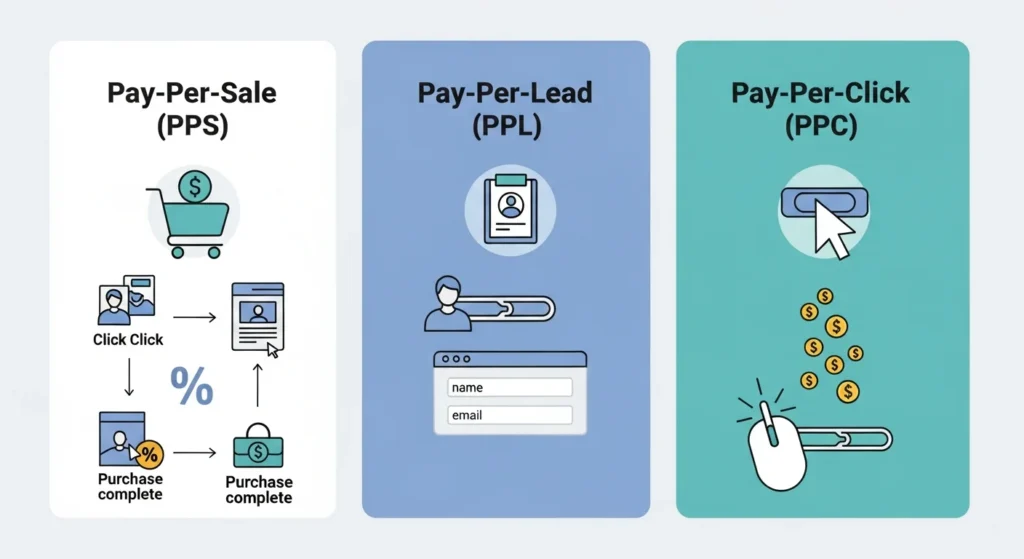
Affiliate income is typically earned through one of three models, each triggered by a different customer action: a completed sale, a submitted lead, or a simple click.
The primary source of revenue in affiliate marketing is commissions, but these can come in several forms. The most common models include:
➤Pay-Per-Sale (PPS) or Cost-Per-Sale (CPS): The affiliate earns a percentage of the sale price when a customer purchases a product through their link. This is the most prevalent model.
➤Pay-Per-Lead (PPL) or Cost-Per-Action (CPA): The affiliate gets paid when a referred visitor completes a specific action, such as filling out a contact form, signing up for a newsletter, or starting a free trial.
➤Pay-Per-Click (PPC): The affiliate earns a small commission for every click generated through their affiliate link, regardless of whether a sale or lead is generated. This model is less common today.
An affiliate’s potential revenue is influenced by several factors: the chosen niche, the commission rates offered by an affiliate program, the price of the products being promoted, and, most importantly, the volume and quality of traffic they can generate.
A beginner might earn a few hundred dollars per month, while seasoned professionals can generate five or even six figures monthly by mastering their marketing strategies and building a loyal audience.
The Cost Side of Affiliate Marketing: What Affiliates Actually Spend On
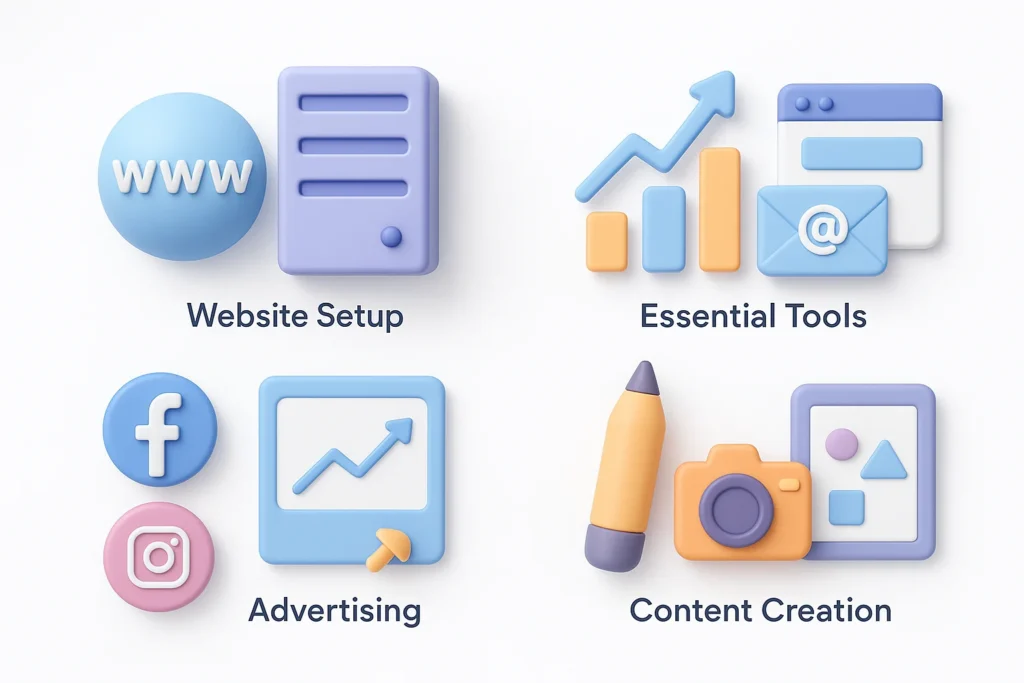
While often touted as a low-cost business, scaling an affiliate marketing venture involves strategic investments.
Understanding these costs is essential for creating a realistic budget and ensuring long-term profitability.
Expenses can be categorized into foundational setup, essential tools, advertising, and content creation.
Hosting, Domains & Core Setup Costs
The foundation of most affiliate marketing businesses is a website or blog.
This is your digital real estate where you build your brand and publish content.
Initial setup costs are relatively low but non-negotiable for serious marketers.
➤ Domain Name: Your website address (e.g., yourbrand.com). This typically costs $10-$20 per year.
➤ Web Hosting: The service that keeps your website online. Shared hosting plans for beginners range from $2 – $10 per month.
➤ Website Theme/Design: While free themes are available, a premium theme ($50-$100 one-time) often provides better design, functionality, and support.

Launch Your Website Today
- ✔ Free Domain Included
- ✔ Fast, Secure Hosting
- ✔ Easy Themes & Website Builder
- ✔ Free SSL + 24/7 Support
Essential Tools and Software Fees
To operate efficiently and compete effectively, affiliates rely on a suite of digital marketing tools.
These subscriptions represent a significant portion of recurring monthly costs.
➤ Keyword Research & SEO Tools (e.g., Ahrefs, SEMrush): Essential for understanding what your audience is searching for and analyzing competitors. Plans often start around $100 per month.
➤ Email Marketing Services (e.g.,Syteme.io, ConvertKit, MailerLite): Building an email list is critical for nurturing leads and driving sales. Costs typically start at $15-$30 per month and increase with the number of subscribers.
send unlimited emails for free
- ✔ Build Automated Email Funnels
- ✔ High-Converting Templates
- ✔ Segment & Personalize Easily
- ✔ Track Opens & Clicks in Real-Time
➤ Landing Page Builders (e.g., Syteme.io, Leadpages, Instapage): For creating high-converting pages for specific campaigns, especially when running ads. These can range from $40-$100 per month.
Build High-Converting Landing Pages
- ✔ Drag & Drop Page Builder
- ✔ Pre-Built Templates
- ✔ A/B Testing & Analytics
- ✔ Mobile-Responsive Pages
Advertising Budgets
While organic traffic is the long-term goal, paid advertising can accelerate growth and generate immediate sales.
This is a variable cost that can scale from zero to tens of thousands of dollars per month.
➤ Social Media Ads (Facebook, Instagram, TikTok): Effective for reaching targeted demographics. A beginner might test with a budget of $10-$20 per day.
➤ Search Engine Ads (Google Ads, Bing Ads): Useful for targeting users with high purchase intent. This can be more expensive, often requiring a larger budget to see significant results.
Content Production & Outsourcing Prices
Content is the engine of affiliate marketing.
High-quality content builds trust, attracts traffic, and drives conversions. The cost here depends on whether you create it yourself or outsource.
➤ Writing: Hiring freelance writers for blog posts can cost anywhere from $50 to over $500 per article, depending on length and expertise.
Improve Your SEO Content Fast
- ✔ Create SEO-optimized articles
- ✔ Generate keywords & content briefs
- ✔ Rank faster on Google
- ✔ Streamline your writing workflow
➤ Video Production: Creating content for platforms like YouTube can involve costs for cameras, microphones, and editing software. Outsourcing video editing can cost $100-$500 per video.
➤ Graphics: Tools like Canva offer robust free plans, but custom graphics from a designer can range from $20-$100 per design.
Full Breakdown of Affiliate Marketing Income vs Expenses in 2026
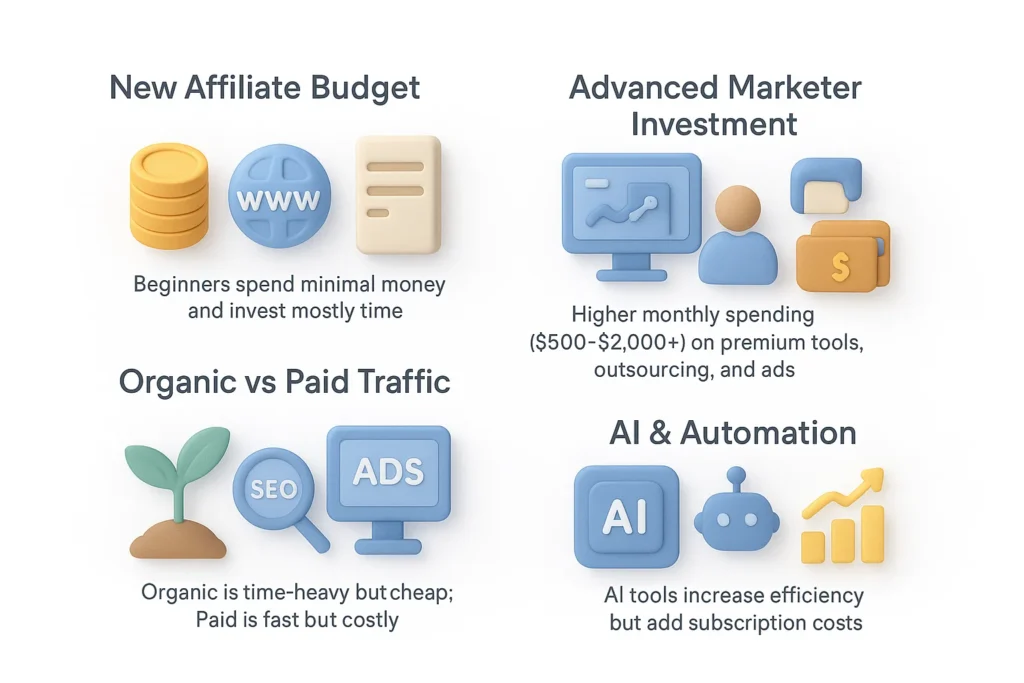
Balancing the books is where theory meets practice.
The financial picture of an affiliate marketer changes dramatically based on their experience level and chosen strategy.
Budget Expectations for New Affiliates
A new affiliate should focus on a lean startup model, prioritizing “sweat equity” over significant financial outlay.
The initial budget should cover the absolute essentials: a domain and basic hosting ($50-$100 for the first year).
The primary investment is time—spent on learning SEO, writing initial content, and building a presence on one or two social media platforms.
Any early revenue should be reinvested directly into the business, perhaps for a premium theme or a basic email marketing plan.
Investment Levels for Experienced Marketers
Once an affiliate has a consistent revenue stream, the focus shifts to scaling.
This is where a larger budget comes into play.
An experienced marketer might spend $500-$2,000+ per month.
This investment is allocated toward premium SEO tools for a competitive edge, more advanced email marketing automation, outsourcing content creation to increase output, and a dedicated budget for paid advertising to test new traffic sources and scale winning campaigns.
Comparing Organic vs Paid Traffic Costs
The fundamental trade-off in affiliate marketing is time versus money.
➤ Organic Traffic (SEO, Social Media): This strategy has low upfront financial costs but requires a significant time investment to create content and build authority.
It’s a long-term asset that can produce sustainable traffic for years.
➤ Paid Traffic (Ads): This approach requires a substantial financial budget but can deliver immediate traffic and data.
The risk is higher, as a poorly optimized campaign can burn through a budget with no sales to show for it.
A successful business often uses a hybrid approach.
Create AI Videos Instantly
- ✔ Generate Videos in Minutes
- ✔ Human-like AI Avatars
- ✔ 100+ Templates
- ✔ Multi-Language Support
The Role of Automation & AI Tools in Expenses
Artificial intelligence is reshaping the expense landscape.
AI-powered writing assistants can reduce content production time, while AI analytics tools can offer insights that were once only available through expensive software.
However, this also introduces new costs.
Premium AI tools carry their own subscription fees, and using them effectively requires a new skill set.
AI should be viewed as a tool for efficiency and optimization, not a complete replacement for human strategy and creativity.
Improve Your SEO Content Fast
- ✔ Create SEO-optimized articles
- ✔ Generate keywords & content briefs
- ✔ Rank faster on Google
- ✔ Streamline your writing workflow
Finding the Right Profit Margin: Balancing Earnings and Costs
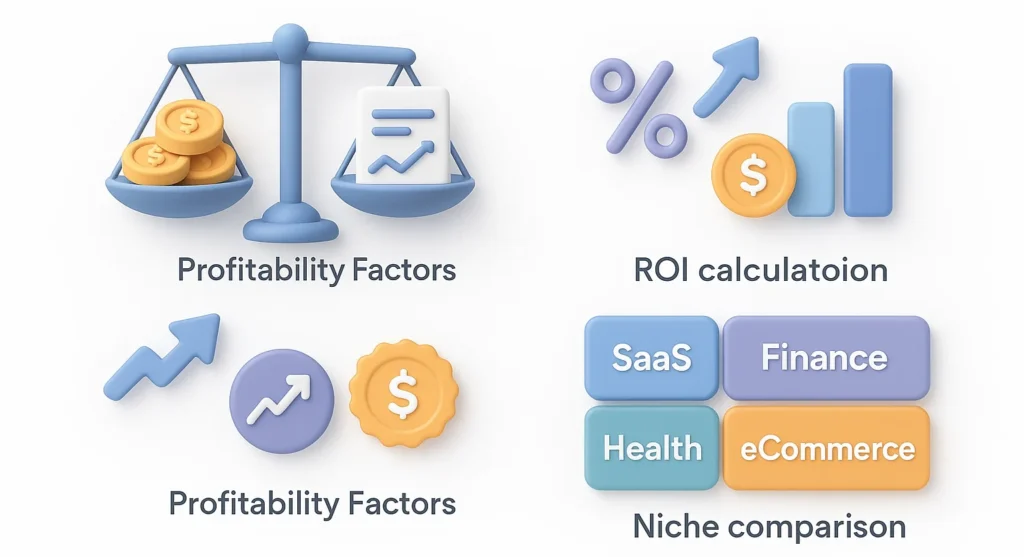
Profitability isn’t just about how much revenue you generate; it’s about how much you keep after all costs are paid.
Mastering this balance is the key to a sustainable affiliate business.
Understanding ROI in Affiliate Marketing
Return on Investment (ROI) is the ultimate measure of performance. It calculates how much profit you make for every dollar you spend.
The formula is simple: (Revenue - Costs) / Costs * 100. A positive ROI means you’re profitable.
A key goal for any affiliate is to identify the channels and strategies that deliver the highest ROI and double down on those investments.
What Influences Profitability
Several factors dictate your profit margins.
High-commission affiliate programs obviously boost potential earnings.
The conversion rate of your traffic is also critical; it doesn’t matter how much traffic you get if none of it converts into sales.
The cost of your traffic source is another major lever—free, organic traffic is inherently more profitable than expensive paid ads.
Finally, efficient management of your operational costs and tool subscriptions directly impacts your bottom line.
Profit Margins Across Popular Niches
Profit margins vary significantly across different industries.
➤ Software & SaaS: Often the most profitable, with high recurring commissions and margins potentially reaching 50-70%.
➤ Finance & Investing: Can offer very high one-time payouts, leading to margins of 40-60%.
➤ Health & Fitness: A competitive but large market, with typical profit margins in the 30-50% range.
➤ E-commerce & Physical Products: Generally have the lowest margins (10-25%) due to lower commission rates and the costs of goods.
Strategies That Boost Earnings While Reducing Costs
The most successful affiliates are masters of efficiency.
They focus on strategies that generate compound growth without requiring a proportional increase in spending.
SEO & Long-Term Content Strategy
Search Engine Optimization (SEO) is the ultimate long-term strategy for cost-effective growth.
By creating high-quality, helpful content that ranks in search engines, you build a sustainable asset that generates free, targeted traffic around the clock.
This reduces your reliance on expensive paid advertising over time.
Email Funnels That Convert
An email list is one of the few marketing channels you truly own.
By capturing visitors’ email addresses, you can build a relationship, establish trust, and promote products directly to an engaged audience.
A well-crafted email automation sequence can convert leads into buyers for weeks or months after their first visit, dramatically increasing customer lifetime value at a very low cost.
Email Marketing Made Easy
- ✔ Build Automated Email Funnels
- ✔ High-Converting Templates
- ✔ Segment & Personalize Easily
- ✔ Track Opens & Clicks in Real-Time
Using Social Media Efficiently
Instead of trying to be everywhere, focus on one or two social media platforms where your target audience is most active.
Build a community by providing value and engaging authentically.
This approach builds brand loyalty and trust, which are essential for driving conversions, without spreading your budget or time too thin.
Multi-Platform Promotion Approaches
Leverage content across multiple platforms to maximize its reach.
A detailed blog post can be repurposed into a YouTube video, a series of TikToks, an email newsletter, and several social media posts.
This multi-platform strategy allows you to get the maximum value from a single piece of content creation effort, effectively lowering your cost per piece of content.
Expense Mistakes That Reduce Profit (and How to Avoid Them)
Profitability is as much about avoiding mistakes as it is about smart strategies.
Many affiliates leak profit through common, avoidable errors in their budget management.
Spending Too Soon on Ads
One of the most common pitfalls is pouring money into paid ads before having a proven offer and a high-converting funnel.
Without organic validation first, you are likely to burn through your budget with minimal returns. Start with organic methods to prove your concept, then use ads to scale what already works.
Forgetting Free Traffic Sources
Never underestimate the power of free traffic.
Neglecting SEO, community building on platforms like Reddit or Facebook Groups, or creating content for platforms like YouTube means leaving a massive amount of potential traffic and sales on the table. Always have an active organic traffic strategy.
Buying Tools You Don’t Need
“Shiny object syndrome” can be a major drain on your budget. It’s easy to get excited about the latest marketing tool that promises amazing results.
Resist the urge to subscribe to every new piece of software.
Start with the absolute essentials and only add new tools when you have a clear, specific need that they will solve.
Outsourcing Without Clear Planning
Outsourcing content or marketing tasks can be a great way to scale, but doing so without a clear brief, defined goals, and a system for quality control is a recipe for wasting money.
Ensure you have a detailed plan and can effectively manage freelancers before you start delegating critical parts of your business.
Beginner-Friendly Affiliate Marketing: Building Income with Minimal Costs
For those just starting, the path to profitability lies in resourcefulness.
Begin by choosing a niche you are genuinely passionate about, as your enthusiasm will fuel your initial content creation.
Launch a simple website using a free platform like WordPress.org with basic, affordable hosting.
Dedicate your time to learning SEO fundamentals and writing helpful, in-depth articles that answer your audience’s questions.
Engage on one social media platform to start building a community.
This lean approach focuses on building a solid foundation of trust and organic traffic before introducing significant costs, allowing you to build a profitable business from the ground up.
Conclusion: Understanding Affiliate Marketing Income vs Expenses in 2026
In 2026, understanding the nuanced balance between income and expenses in affiliate marketing is more crucial than ever.
As we’ve explored throughout this breakdown, achieving profitability requires a strategic approach that prioritizes both cost-effective tactics and quality revenue streams.
By focusing on organic growth and judiciously investing in tools and advertising, marketers can enhance their revenue while keeping expenses in check.
Remember, this balance does not mean avoiding expenses altogether but rather making informed decisions about where your money goes.
It’s about differentiating between necessary investments and frivolous expenditures. Regularly reviewing your financial standing, measuring the ROI of your efforts, and adjusting strategies accordingly will keep your affiliate marketing business on an upward trajectory.
In a competitive landscape, adaptability is key. Keep an eye on industry trends and evolving consumer behaviors to ensure that your marketing efforts remain relevant and effective.
By maintaining a flexible approach and being willing to pivot when necessary, you will not only manage your expenses but also maximize your income potential in the ever-evolving realm of affiliate marketing.
It’s also important to cultivate resilience and patience; building a successful affiliate marketing business is a marathon, not a sprint.
The insights gained from this breakdown should serve as a foundation. With dedication and strategic planning, you can navigate the complexities of income versus.
FAQs
Launch Your Website Today
- ✔ Free domain included
- ✔ Fast & secure hosting
- ✔ Easy website builder
- ✔ Free SSL & 24/7 support
Related Posts






Pasive Marketer is a digital publication dedicated to AI tools, SaaS software, digital marketing, and online business growth. We create in-depth reviews, comparisons, tutorials, and expert guides to help entrepreneurs, marketers, and businesses discover the best software solutions and make informed purchasing decisions.